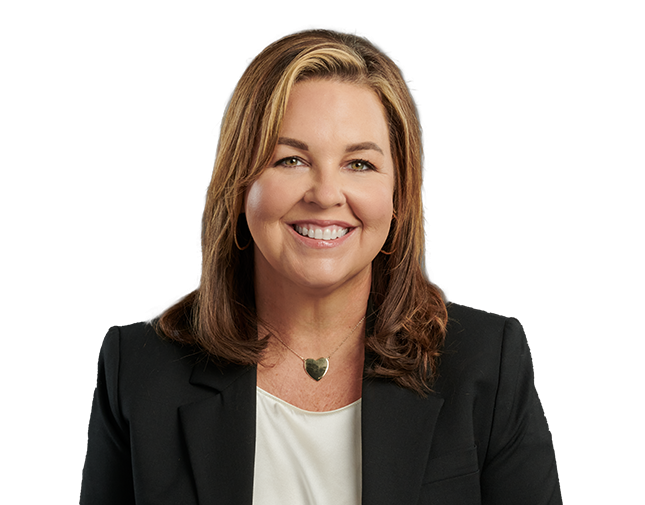
At the Minnesota Capitol, Matthew represents a broad variety of health care and human service providers, small businesses, trade and professional associations, local governments and multi-national corporations. Working as part of the broader Larkin Hoffman government relations team at the Capitol, he works with a number of committees and across a broad spectrum of policy areas while taking primary responsibility for much of the firm’s health and human services lobbying.
Additionally, Matthew works on a variety of issues related to agriculture, state and local taxes, insurance, employment regulations, and capital investment financing. Matthew helps clients engage with Minnesota’s federal delegation and their staff in support of legislative, administrative, and various procurement or grant-related initiatives.
He also assists clients in the area of campaign finance and campaign practices law where he advises candidates, campaign committees, and other entities on state and federal election law and represents them in all manner of campaign-related disputes.
His health law practice, Matthew draws upon his legislative and public policy experience and the relationships with legislators and regulators he has cultivated over years of working with the Minnesota Legislature, to help clients navigate a broad variety of potential pitfalls related to regulatory compliance, licensing, and public program reimbursement.
With a particular focus on Medicaid providers, Matthew represents a variety of providers who focus on serving low-income and immigrant communities, including community health clinics, safety net dental clinics, substance use disorder, mental health and other behavior health providers. In this capacity, he spends significant time advising clients on the potential impacts of public program payment reforms, including the Minnesota Department of Human Services’ (“DHS”) development of integrated health partnerships (“IHPs”).
Matthew represents a broad variety of long-term care providers, including skilled nursing facilities, assisted living facilities, home care agencies, home and community-based service providers, and personal care assistant (“PCA”) agencies. He works closely with both DHS and the Minnesota Department of Health (“MDH”) to help providers navigate the complicated landscape of registration, licensing, provide enrollment, and regulatory compliance that surrounds long-term care providers.